Beaches
What Is Florida Beach Sand Made Of?
From Appalachian quartz to crushed shells and heavy minerals — discover the geological origins and regional variations of Florida's beach sand.
1,350 miles of coastline shaped by longshore drift, storm surge, sea level change, and the slow work of geological time. Explore the science behind Florida's beaches, barrier islands, and dynamic shoreline.
Florida's coastline is a geological laboratory in constant motion. The beaches, barrier islands, lagoons, and tidal flats that define the state's perimeter are shaped by a complex interplay of wave energy, longshore sediment transport, sea level fluctuation, and the underlying bedrock geology. On the Treasure Coast, these forces interact with the Anastasia Formation to create a coastline that is both resilient and constantly evolving.
From Appalachian quartz to crushed shells and heavy minerals — discover the geological origins and regional variations of Florida's beach sand.
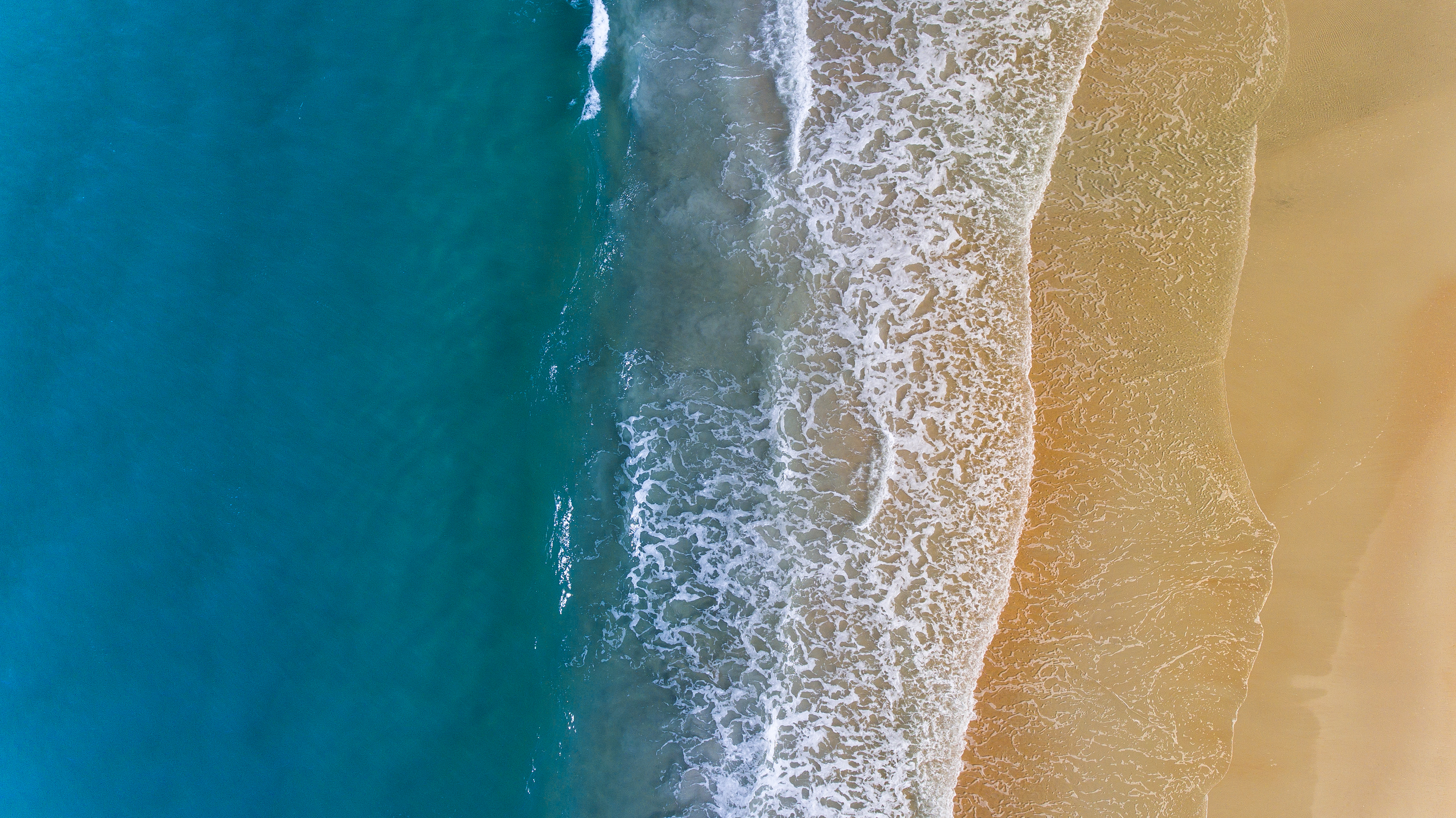
Ice ages, barrier islands, and the Florida Platform — trace the geological forces that built Florida's 1,350 miles of diverse coastline.
Florida's Atlantic coast is lined with barrier islands — long, narrow sand islands that run parallel to the mainland. These islands, including Hutchinson Island and Jupiter Island on the Treasure Coast, formed during the Holocene as rising sea levels reworked coastal sediments. Barrier islands protect the mainland from storm surge and create the sheltered lagoons behind them, including the Indian River Lagoon.
Ancient beach ridges — elevated sand ridges that mark former shoreline positions — are found throughout Florida's coastal plain. These ridges record the history of sea level changes during the Pleistocene and Holocene, providing geologists with a physical record of coastline migration over thousands of years.
Coastal dunes are formed when wind transports sand inland from the beach. Florida's dune systems vary from modest foredunes along the Atlantic coast to the tall dune systems of the panhandle. Dunes provide critical storm protection and habitat for specialized plant communities.
Along Florida's Gulf coast and in the protected waters of the Indian River Lagoon, mangrove forests play a geological role by trapping sediment and building new land. Mangrove peat deposits can reach several feet in thickness and represent an ongoing process of coastal accretion.
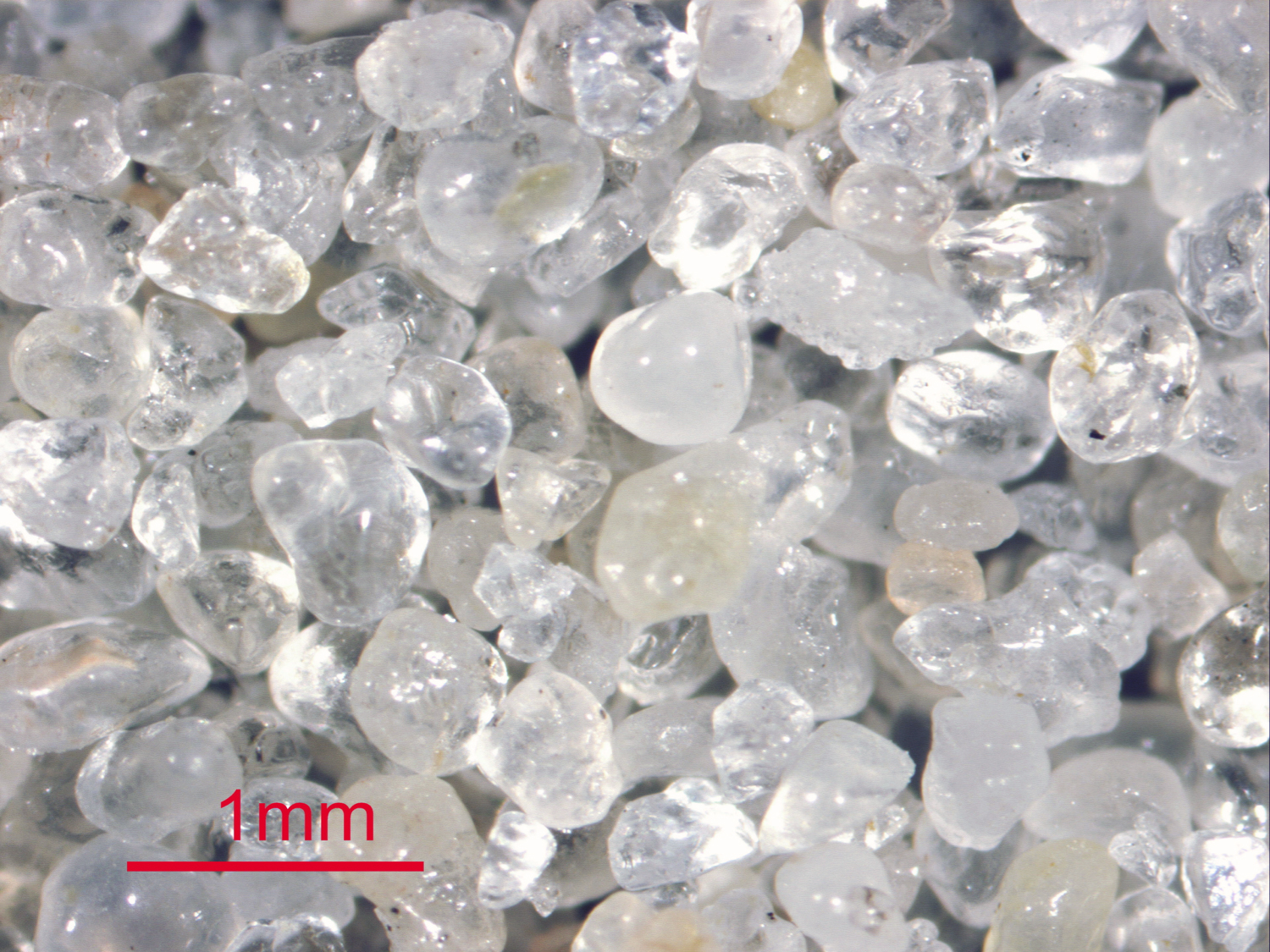
Atlantic coast sand is predominantly quartz derived from the eroding Appalachian Mountains, transported south by longshore currents. Gulf coast sand, particularly in southwest Florida, contains more biogenic carbonate — crushed shells, coral, and calcareous algae — because there are fewer quartz sand sources on that side of the peninsula. Learn more in our article on Florida beach sand composition.
Many of Florida's beaches are experiencing chronic erosion, a process accelerated by sea level rise, storm activity, and human modifications to the coast (such as inlet stabilization and seawall construction). The state spends hundreds of millions of dollars on beach nourishment projects to counteract erosion. However, some areas with intact Anastasia Formation bedrock experience slower erosion rates due to the natural rock armoring.
The dark grains and black sand streaks visible on some Florida beaches are heavy minerals including ilmenite, rutile, zircon, leucoxene, and monazite. These minerals, denser than quartz, are concentrated by wave action into dark "placer" deposits. Florida's heavy mineral sands are economically significant — the state has been a major producer of titanium minerals (from ilmenite and rutile) since the mid-twentieth century.
Florida's barrier islands formed primarily through sea level rise during the Holocene epoch (last 11,700 years). As post-glacial seas rose, wave action reworked coastal sediments into elongated sand bodies parallel to the mainland. Once established, barrier islands migrate and reshape in response to storms, longshore drift, and continued sea level change. They create the protected lagoon environments behind them, including the Indian River Lagoon on the Treasure Coast.