Fossil hunting on Florida's Treasure Coast
What is Treasure Coast fossil hunting?
Treasure Coast fossil hunting is the practice of searching for and collecting fossilized remains of ancient organisms along the Atlantic coast of southeastern Florida, specifically within St. Lucie, Martin, and Indian River counties. This region produces abundant shark teeth, fossil shells, coral, ray dental plates, and occasional vertebrate bones from geological formations dating to the Miocene, Pliocene, and Pleistocene epochs. Treasure Coast fossil hunting is popular among beachcombers, amateur paleontologists, and serious collectors due to the region's accessible shoreline, productive geological exposures, and the diversity of specimens found.
The Treasure Coast: a fossil hunter's overview
The Treasure Coast stretches along Florida's central Atlantic seaboard, encompassing St. Lucie, Martin, and Indian River counties. Named for the Spanish treasure fleets that wrecked along these shores in 1715, the region holds another kind of treasure beneath its beaches, riverbeds, and construction sites: fossils that document millions of years of ancient life in warm shallow seas.
Treasure Coast fossil hunting draws enthusiasts from across the state and beyond because the region offers a combination of accessible public beaches, productive geological exposures, and a diversity of fossil types that few other areas along the Atlantic coast can match. From tiny shark teeth the size of a fingernail to palm-sized megalodon teeth and fragments of ancient marine mammal bone, the Treasure Coast delivers finds that range from common to rare.
The geological forces that make Treasure Coast fossil hunting so productive are the same ones that shaped the broader Florida peninsula. For millions of years, this region lay beneath warm, shallow seas teeming with sharks, rays, whales, dugongs, and countless invertebrates. As these organisms died, their hard parts, teeth, bones, and shells, settled into accumulating layers of sediment. Over time, those sediments lithified into the fossil-bearing formations that now underlie the Treasure Coast, including the Hawthorn Group, the Tamiami Formation, and the Anastasia Formation.
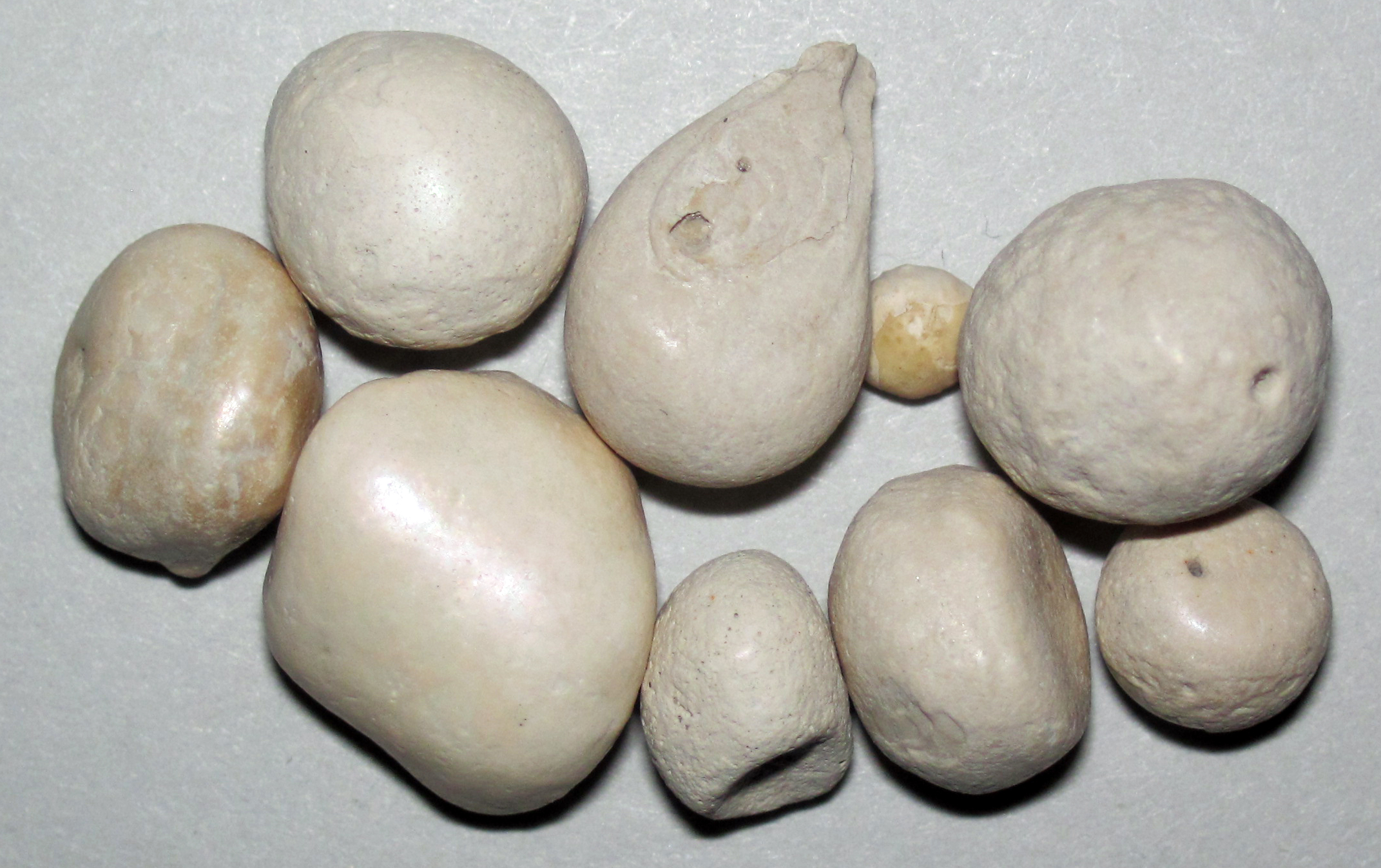
Best locations for Treasure Coast fossil hunting
Successful Treasure Coast fossil hunting begins with knowing where to look. While fossils can theoretically turn up almost anywhere that geological formations are exposed, certain locations consistently produce better results than others. Here are the most productive types of locations in the region.
Beaches after storms
Atlantic-facing beaches throughout St. Lucie, Martin, and Indian River counties are the most accessible and popular locations for Treasure Coast fossil hunting. The key to beach collecting is timing: after significant storm events, high surf and strong longshore currents strip away sand from the beach face, exposing underlying shell hash, gravel layers, and consolidated coquina rock. These exposed layers often contain concentrated deposits of shark teeth, fossil shells, and coral fragments.
Bathtub Reef Beach in Martin County is well known among local fossil hunters for its coquina reef exposures and the shark teeth that wash up along its shoreline. Blind Creek Beach and Walton Rocks Beach in St. Lucie County also produce consistent finds, particularly along the wrack line where wave action concentrates heavier objects, including fossilized teeth and bone fragments. In Indian River County, the beaches near Vero Beach have yielded notable fossil discoveries over the years.
When Treasure Coast fossil hunting on beaches, focus your search along the tide line, in the troughs between sandbars at low tide, and near any exposed rock or shell layers. Shark teeth, being denser than most sand grains, tend to concentrate in the same areas where shells, gravel, and other heavy debris accumulate.
River banks and creek beds
The rivers and creeks that drain through the Treasure Coast cut through fossil-bearing sediments as they flow toward the Indian River Lagoon and the Atlantic Ocean. The St. Lucie River system, including its north and south forks, exposes Hawthorn Group and other Miocene-age sediments along its banks and in its streambed. During periods of low water, wading and sifting these exposures can produce shark teeth, ray dental plates, and occasional bone fragments.
Smaller tidal creeks and drainage canals throughout the region also expose fossils, especially where erosion has cut into older sediment layers. After heavy rains, check creek banks and recently eroded areas where fresh material has been exposed.
Construction sites
Residential and commercial development across the Treasure Coast regularly exposes fossil-bearing sediments during excavation. Construction sites that dig below the surface sand layer, particularly those involving retention ponds, foundations, or utility trenches, can uncover significant fossil deposits. Always obtain explicit permission from the property owner or construction manager before collecting at any construction site. Trespassing is illegal and gives fossil collectors a bad reputation.
Notable Treasure Coast fossil finds in recent decades have come from construction projects that cut through previously unexposed geological formations. When large-scale developments break ground, they can expose deposits that have been buried and inaccessible for thousands of years.
Spoil islands
The Indian River Lagoon contains numerous spoil islands created from dredging operations that deepened the Intracoastal Waterway. These artificial islands are composed of sediment dredged from the lagoon bottom, which in many areas contains fossil-bearing material. Spoil islands accessible by kayak or small boat can be productive spots for Treasure Coast fossil hunting, as the dredged material concentrates fossils that were scattered across the lagoon floor.
Many spoil islands in the Indian River Lagoon are part of the Treasure Coast ecosystem and are managed for wildlife habitat. Check current access regulations before visiting, and be mindful of nesting birds and sensitive vegetation.
Types of fossils found on the Treasure Coast
Shark teeth
Shark teeth dominate Treasure Coast fossil hunting finds, both in quantity and in the excitement they generate among collectors. The region produces teeth from dozens of shark species spanning millions of years. The most prized are megalodon teeth, the massive teeth of Otodus megalodon, the largest shark that ever lived. While complete, large megalodon teeth are uncommon, fragments and smaller specimens turn up regularly.
Other shark teeth commonly found during Treasure Coast fossil hunting include teeth from great white shark ancestors (Carcharodon hastalis), various mako species (Isurus), lemon sharks (Negaprion), bull sharks (Carcharhinus), sand tiger sharks (Carcharias taurus), hammerheads (Sphyrna), and tiger sharks (Galeocerdo). Each species has distinctive tooth morphology, making identification an engaging aspect of the hobby.
Ray dental plates
Rays and skates possess flat, pavement-like dental plates adapted for crushing shellfish, and these plates fossilize well. Treasure Coast fossil hunting regularly turns up dental plates from eagle rays, cownose rays, and other species. These fossils are often dark brown to black and have a distinctive smooth, slightly curved surface with a mosaic-like pattern.
Fossil shells and coral
Ancient mollusks and corals are abundant throughout the Treasure Coast's geological formations. Beautifully preserved scallops, clams, oysters, gastropods, and coral heads turn up on beaches, in riverbeds, and at construction sites. The Anastasia Formation, which underlies much of the Treasure Coast's coastal zone, is particularly rich in shell fossils bound together in a coquina matrix. Understanding beach sand composition helps explain how these fossil fragments end up concentrated on the shoreline.
Manatee and dugong bones
Among the more exciting finds in Treasure Coast fossil hunting are the bones and rib fragments of ancient sirenians, including extinct dugongs (Metaxytherium) and ancestral manatees. These dense, heavy bones are occasionally found in river sediments and eroding banks. Sirenian rib bones are distinctive: dense, pachyostotic (thickened), and often oval in cross-section. Finding a dugong or manatee bone fragment connects the Treasure Coast's fossil record to the living manatees that still inhabit these same waterways.
Horse teeth and terrestrial mammal fossils
Though less common than marine fossils, Treasure Coast fossil hunting occasionally produces teeth and bone fragments from terrestrial mammals. Horse teeth from extinct Equus species are the most frequently encountered terrestrial fossils, identifiable by their large size, flat grinding surfaces, and complex enamel patterns. During the Pleistocene, when sea levels were lower and the Florida peninsula was much wider, horses, bison, tapirs, and other large mammals roamed the grasslands that are now submerged beneath the Atlantic and the Indian River Lagoon.
Geological context: why fossils are here
Understanding why Treasure Coast fossil hunting is so productive requires a look at the geological history of the region. The fossils found here were not deposited in a single event but accumulated over millions of years through successive episodes of marine transgression and regression, periods when the sea advanced over the land and then retreated.
During the Miocene epoch, roughly 23 to 5 million years ago, the Hawthorn Group sediments were deposited across much of the Florida peninsula, including the Treasure Coast. These phosphate-rich, clay-and-sand deposits formed in shallow marine and estuarine environments and are the source of many of the shark teeth and vertebrate fossils found in the region. The phosphate content of these sediments, originating from the same geological processes that created the Bone Valley Formation in central Florida, is responsible for the dark coloration of many Treasure Coast fossils.
In the Pliocene and Pleistocene, additional formations were deposited as sea levels continued to fluctuate. The Anastasia Formation, a relatively young coquina and sand unit, caps many Treasure Coast geological sections and provides the shell-rich matrix visible on beaches and in coastal exposures. For a broader view of how these formations fit into Florida's geological story, visit our geological timeline.
Tips for beginner fossil hunters
What to bring
Treasure Coast fossil hunting requires minimal equipment, especially for beach collecting. Bring a small container or zip-lock bags for your finds, sunscreen, a hat, water, and comfortable shoes that can get wet. A small mesh sieve or kitchen strainer can help you sort through gravel and shell hash. For creek and river collecting, water shoes or old sneakers with good grip are essential, along with a larger screen or sifter. A magnifying loupe (10x) helps with identifying smaller teeth and examining details on specimens.
When to go
The best Treasure Coast fossil hunting happens after high-energy weather events. Following cold fronts, nor'easters, and tropical storms, beaches are often stripped of sand and replenished with fresh fossil material from offshore. Low tide maximizes your search area, so check tide charts before heading out. Early morning is ideal both for beating the heat and for getting first pick of freshly exposed material.
For river and creek collecting, the dry season (November through April) typically offers lower water levels and better visibility. Avoid collecting during or immediately after heavy thunderstorms, when flash flooding and lightning pose genuine safety risks.
Identification basics
Learning to distinguish fossils from rocks and modern shells is the first step in Treasure Coast fossil hunting. Shark teeth are typically black, gray, or dark brown (fossilized) or white to cream-colored (modern or recently shed). Look for the characteristic triangular shape, smooth enamel surface, and a root at the base. Ray dental plates are flat, smooth, and dark-colored with a geometric mosaic pattern. Fossil bone is usually heavier than rock of similar size and may have a spongy internal texture visible at broken surfaces.
The Florida Museum of Natural History maintains an excellent online reference collection that can help with identification. Local fossil clubs and online communities are also invaluable resources for beginners.
Legal considerations for fossil collecting
Treasure Coast fossil hunting is legal on public beaches and in most public waterways for personal, non-commercial collecting of invertebrate fossils and common vertebrate fossils like shark teeth. However, there are important rules to understand before you collect.
Under Florida law, vertebrate fossils found on state-owned submerged lands (including the bottoms of navigable rivers and the nearshore ocean floor) are the property of the state. Significant vertebrate fossil finds, such as partial skeletons, skulls, or rare species, should be reported to the Florida Geological Survey. A permit from the Florida Museum of Natural History is required for systematic collection of vertebrate fossils on state lands.
Collecting on private property requires the landowner's explicit permission. Collecting fossils in state parks, national parks, and wildlife refuges is generally prohibited unless specifically authorized. The Treasure Coast includes several protected areas, including national wildlife refuges and state preserves, where fossil collecting is not permitted. Always verify the regulations for any specific location before collecting.
Preservation and cleaning tips
Once you have made your Treasure Coast fossil hunting finds, proper cleaning and preservation will keep your specimens looking their best for years to come.
For shark teeth, gentle cleaning with a soft toothbrush and water is usually sufficient. Avoid harsh chemicals or abrasives that can damage the enamel surface. If sediment is firmly attached, soak the tooth in water for several hours before brushing. Some collectors use a dilute solution of white vinegar to remove calcium carbonate encrustations, but this should be used sparingly and never on specimens with exposed root material, as acid can dissolve the porous bone of the root.
Fossil bone requires more careful handling. Allow wet specimens to dry slowly in a shaded area, as rapid drying can cause cracking. Fragile bone fragments can be stabilized with a thin solution of Paraloid B-72 or clear Duco cement. Do not use household white glue (PVA), as it can yellow over time and is difficult to reverse if the specimen later requires professional preparation.
Store your fossils in padded containers, small plastic boxes with cotton padding work well, and keep them out of direct sunlight. Label each specimen with the date and location of collection. This provenance information adds scientific value to your collection and helps you track which locations are most productive for future Treasure Coast fossil hunting trips.
Frequently asked questions about Treasure Coast fossil hunting
What is the best beach for Treasure Coast fossil hunting?
Bathtub Reef Beach in Martin County consistently ranks among the most productive beaches for fossil collecting, thanks to its coquina reef exposures and favorable longshore current patterns. Walton Rocks Beach and Blind Creek Beach in St. Lucie County are also productive. However, the best beach on any given day depends on recent weather conditions, wave energy, and sand movement. After major storms, any Treasure Coast beach can produce excellent finds.
Can I find megalodon teeth on the Treasure Coast?
Yes. Megalodon teeth are found on Treasure Coast beaches and in river sediments, though large, complete specimens are uncommon. Fragments and smaller teeth (under 3 inches) turn up more frequently. The Hawthorn Group sediments that underlie much of the Treasure Coast contain megalodon teeth from the Miocene epoch when these giant sharks patrolled the warm shallow seas that covered the region.
Do I need a permit to collect fossils on the Treasure Coast?
For casual collecting of shark teeth, fossil shells, and other common specimens on public beaches and in navigable waterways, no permit is required. Significant vertebrate fossil finds on state-owned submerged lands may require reporting and a permit. Collecting on private property requires landowner permission. Collecting in parks, refuges, and preserves is generally prohibited. When in doubt, contact the Florida Museum of Natural History or the Florida Geological Survey for guidance.
How do I know if I have found a fossil or just a rock?
Shark teeth have a distinctive triangular shape, smooth enamel surface, and a root structure at the base. They are typically darker than surrounding sand and shells. Fossil bone is usually heavier than rock of similar size and may show a spongy or porous internal texture. Fossil shells retain the shape and surface ornamentation of the original organism. When in doubt, compare your find to images in a field guide or bring it to a local fossil club meeting for identification.
Is Treasure Coast fossil hunting safe?
Yes, with common-sense precautions. Beach collecting is generally very safe. Wear sun protection, stay hydrated, and be aware of surf conditions. For river and creek collecting, wear shoes with good traction, be aware of your surroundings, and avoid areas with strong currents. Florida is home to alligators, venomous snakes, and stinging insects, so maintain awareness of wildlife. During summer, plan your outings for early morning to avoid the worst of the heat and the afternoon thunderstorm season.