The Geology Beneath Florida


From ancient seafloors buried beneath 500 million years of sediment to the modern coastlines shaped by wind, waves, and time. Discover the rock formations, fossils, and natural forces that built the Sunshine State from the ground up.

What Is Florida Geology?

Florida geology is the study of the rocks, sediments, fossils, and landforms that make up the Florida peninsula. Unlike most U.S. states, Florida sits on a thick platform of carbonate rock — primarily limestone and dolostone — deposited over hundreds of millions of years when the region lay beneath warm, shallow seas. The state's geology is defined by its karst topography, coastal sediment deposits, phosphate-rich formations, and one of the richest fossil records in North America. Understanding Florida geology explains everything from sinkhole formation and aquifer systems to why Florida beaches have such distinctive sand.


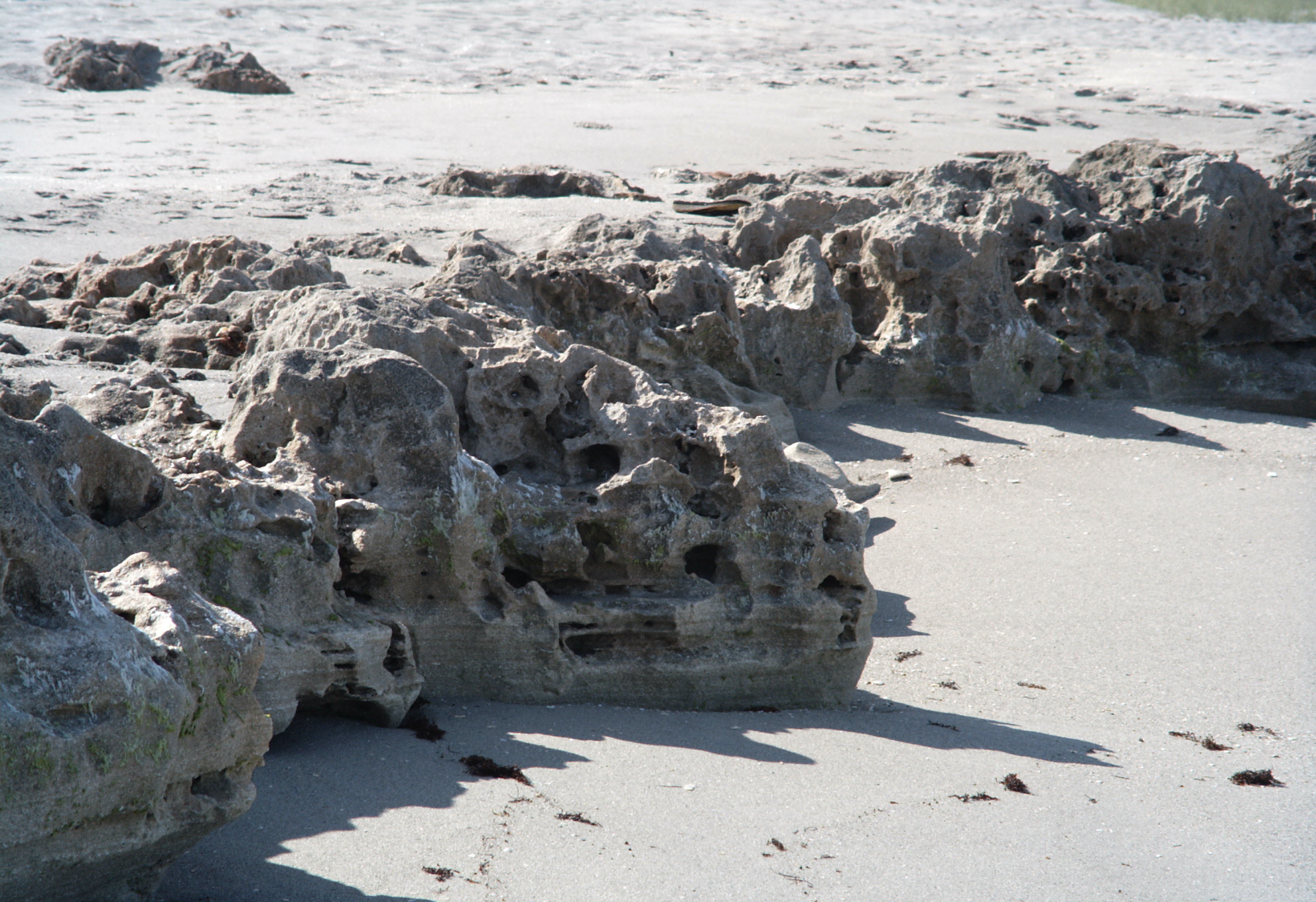
Florida geology Anastasia Formation coquina rock outcrop

The Anastasia Formation: Florida's Coastal Foundation

Stretching along the Atlantic coast from St. Johns County to Palm Beach, the Anastasia Formation is the coquina limestone bedrock underlying much of eastern Florida. This Pleistocene-era formation has shaped the coastline for more than 100,000 years — and it is still protecting it today.

Read the full article
Explore Florida Geology


In-depth guides to the formations, fossils, beaches, and deep history that define Florida's geological landscape.

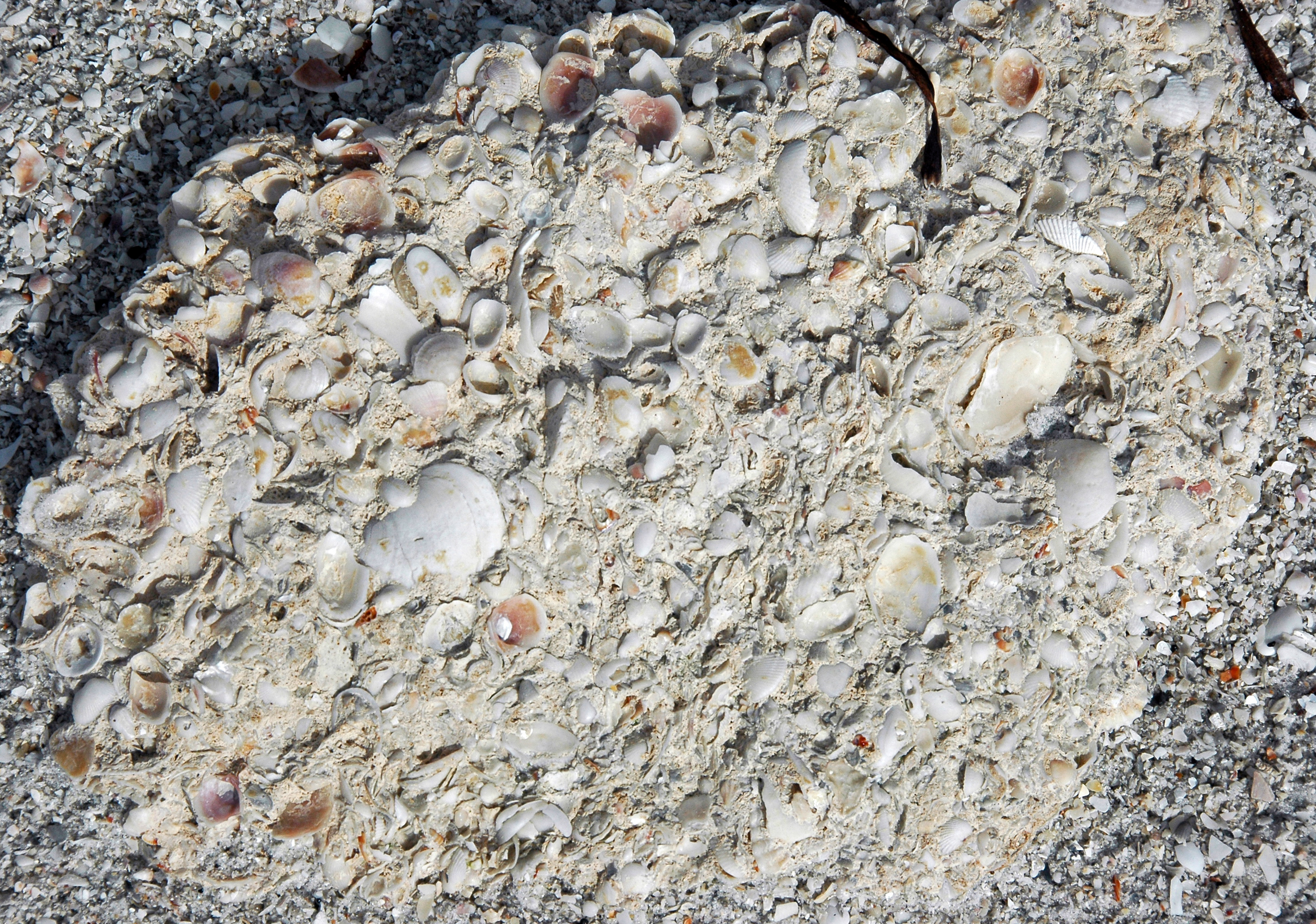
Coquina shell rock formation in Florida geology

Coquina: Florida's Ancient Shell Rock

Composed almost entirely of cemented shell fragments, coquina is one of Florida's most distinctive rock types. Discover how this stone formed and why the Spanish used it to build Castillo de San Marcos.

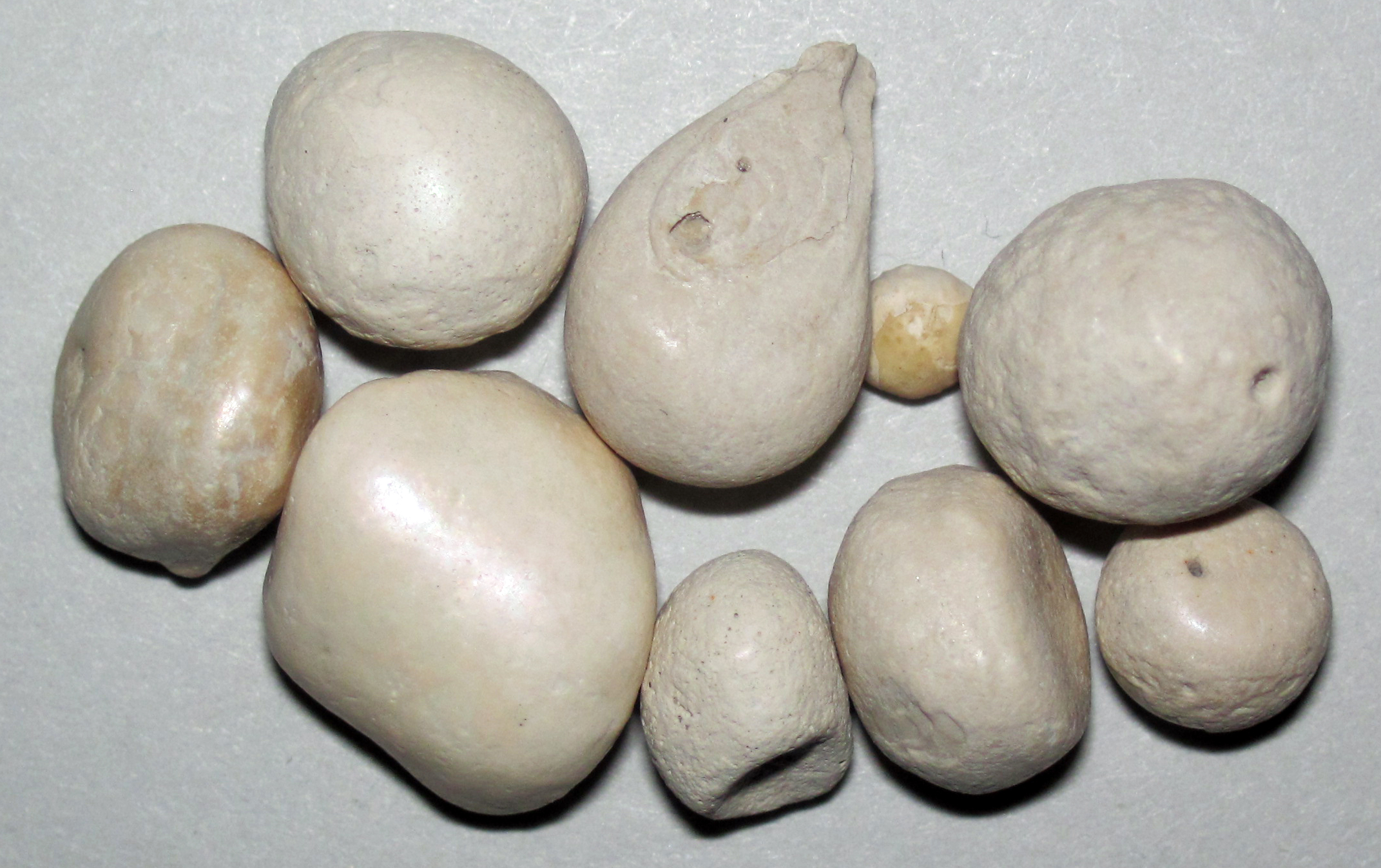
Fossil hunting in Florida geology Treasure Coast

Fossil Hunting on Florida's Treasure Coast

The Treasure Coast offers some of the best fossil hunting in the southeastern United States. Explore where and how to find fossils in St. Lucie, Martin, and Indian River counties.

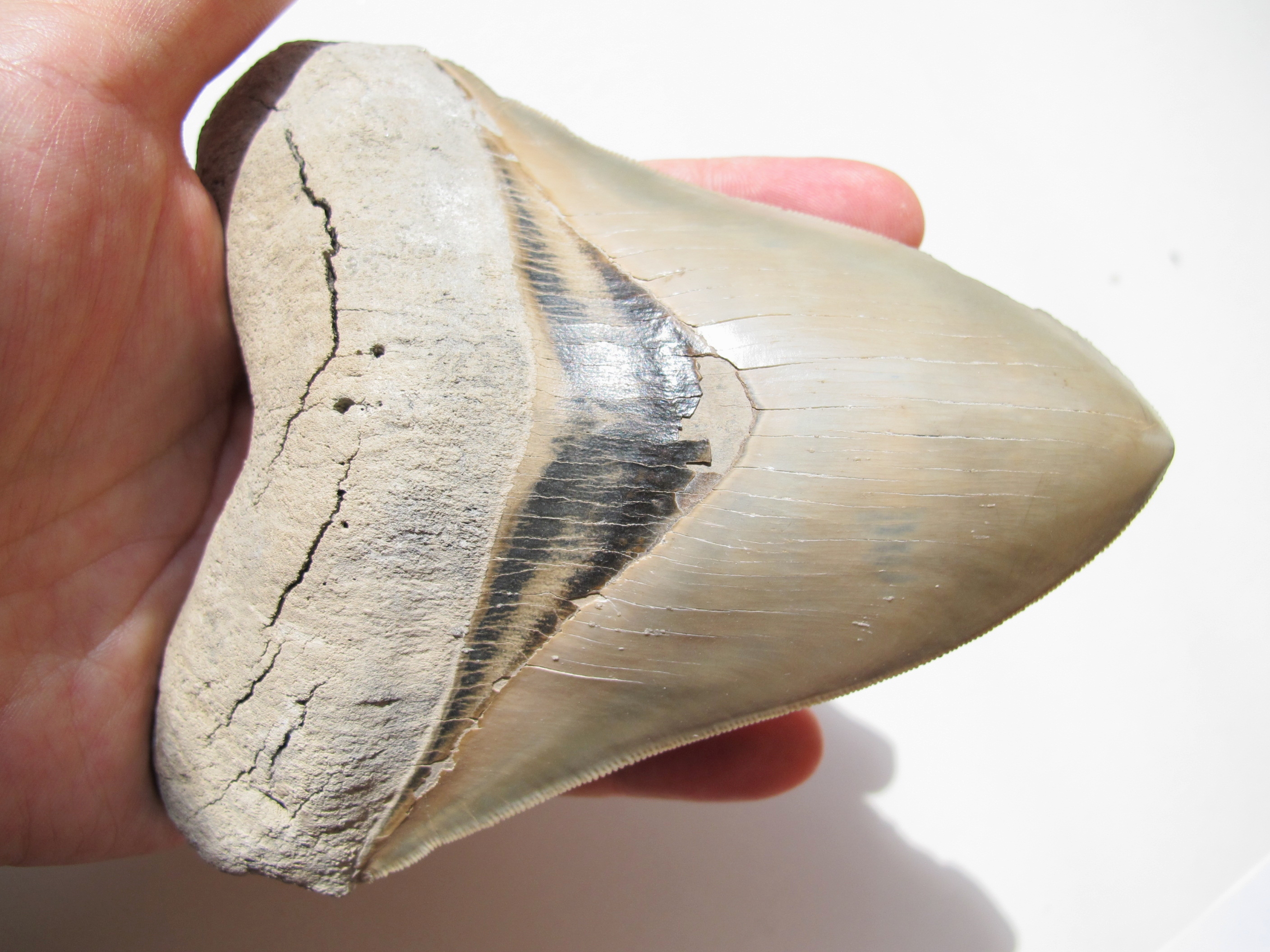
Megalodon shark tooth fossil Florida geology

Megalodon Teeth in Florida: A Collector's Guide

Florida is one of the premier locations for finding fossilized megalodon teeth. Learn where they turn up, how to identify them, and what they reveal about ancient marine environments.

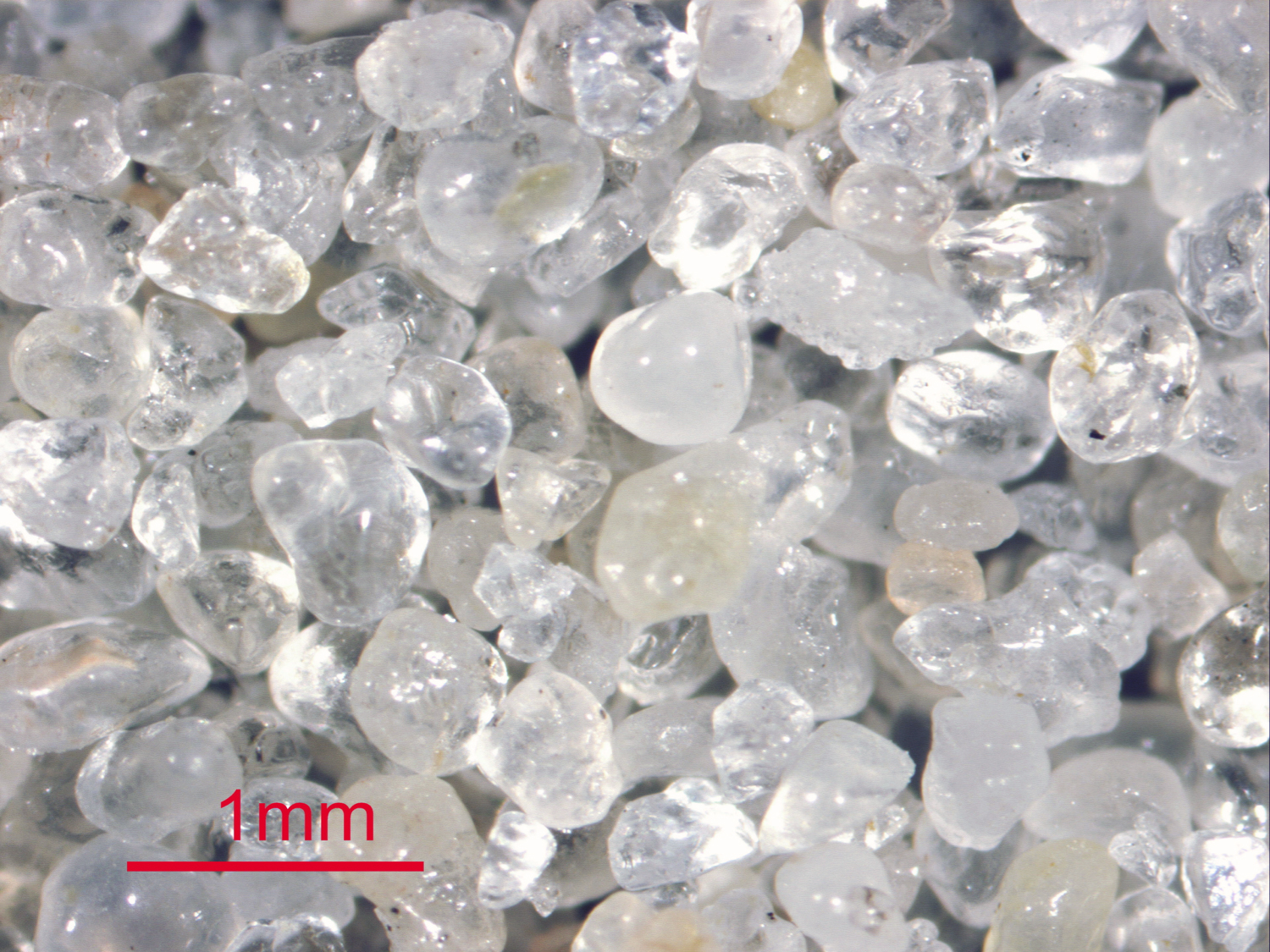
Florida beach sand composition and coastal geology

What Is Florida Beach Sand Made Of?

Florida beach sand varies dramatically from coast to coast. Atlantic beaches feature fine quartz grains, while Gulf shores contain crushed shells and coral. Explore the geological origins.

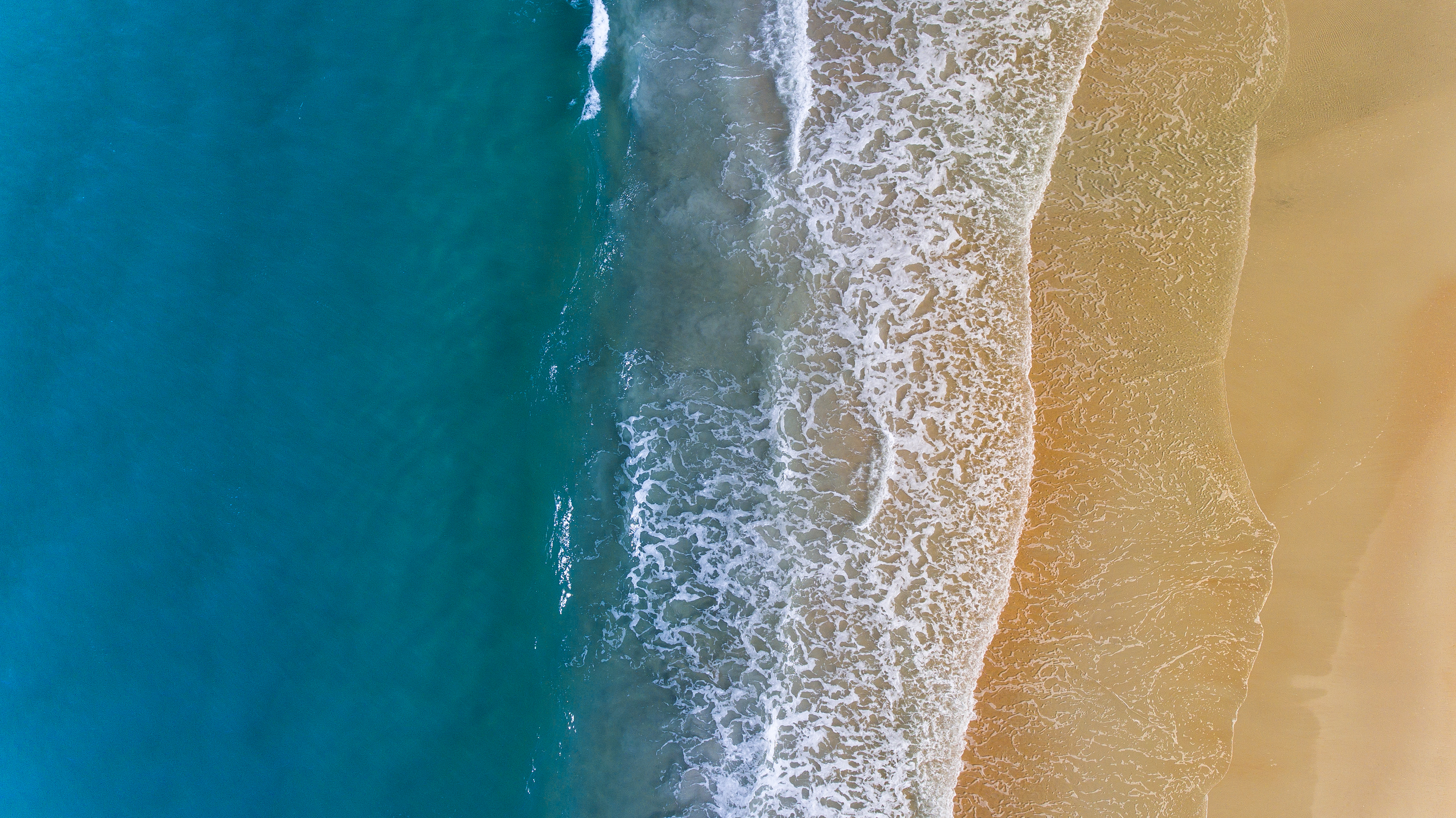
Florida coastline formation and geological processes

How Florida's Coastline Formed

Florida's 1,350 miles of coastline are the product of millions of years of sea level changes, sediment deposition, and erosion. Trace the geological forces that sculpted the modern coast.

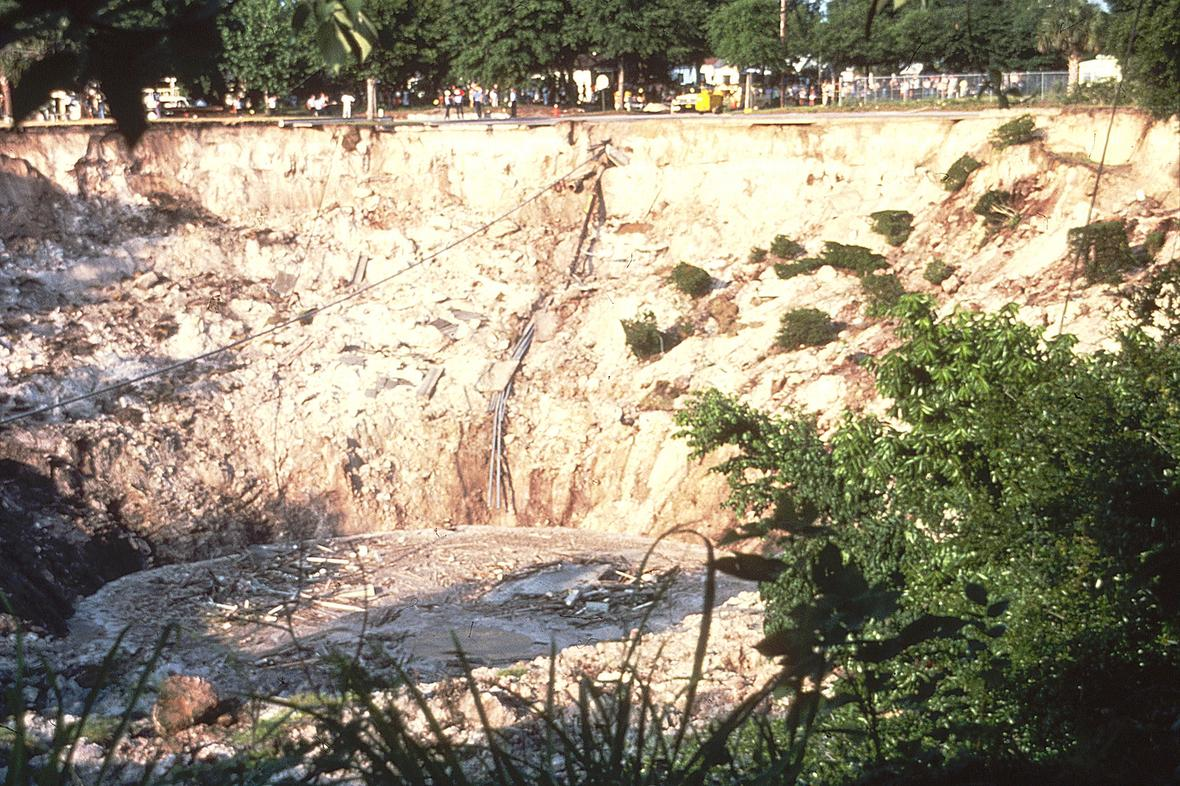
Florida sinkhole geology karst landscape

Understanding Florida Sinkholes

Florida's limestone bedrock makes it one of the most sinkhole-prone regions in the world. Learn how sinkholes form in karst terrain and which areas face the highest risk.


Explore by Topic


Frequently Asked Questions About Florida Geology


What type of rock is most of Florida made of?

Most of Florida sits on a thick foundation of limestone, a sedimentary carbonate rock formed from the remains of marine organisms deposited over millions of years when the state was submerged beneath shallow tropical seas. The Florida Platform contains thousands of feet of limestone and dolostone, with the Floridan Aquifer — one of the most productive aquifer systems in the world — occupying porous zones within this carbonate bedrock.

Why does Florida have so many sinkholes?

Florida's abundance of sinkholes is a direct result of its karst topography. The state's limestone bedrock is slowly dissolved by slightly acidic rainwater percolating through the soil. Over time, this dissolution creates underground cavities. When the roof of a cavity can no longer support the weight of the surface material above it, the ground collapses, forming a sinkhole. Central and west-central Florida, where limestone is closest to the surface, experience the highest sinkhole activity.

Where can I find fossils on the Treasure Coast?

The Treasure Coast — encompassing St. Lucie, Martin, and Indian River counties — offers several productive fossil-hunting locations. Eroding canal banks, spoil islands, and beach renourishment sites frequently expose fossils from the Miocene, Pliocene, and Pleistocene epochs. Common finds include shark teeth (including megalodon teeth), ray dental plates, fossilized bone fragments from terrestrial mammals, and marine invertebrate fossils. Always check local regulations before collecting, as some areas require permits.

How old is the rock beneath Florida?

The deepest basement rocks beneath Florida date to the Precambrian and early Paleozoic eras, roughly 500 million to over 1 billion years old. These ancient igneous and metamorphic rocks, encountered only in deep well cores, originated as part of the African plate before the breakup of Pangaea. The overlying sedimentary formations — the limestones, dolostones, and sandstones that make up most of the accessible geology — range from Cretaceous (about 145 million years ago) to recent Holocene deposits.

Why is Florida beach sand different on the Atlantic and Gulf coasts?

Atlantic coast beaches in Florida are composed primarily of quartz sand transported southward from the eroding Appalachian Mountains by longshore currents over millions of years. Gulf coast beaches, particularly in southwest Florida, contain a higher proportion of biogenic carbonate material — crushed shells, coral fragments, and the remains of calcareous algae. This difference reflects the distinct sediment sources and coastal processes acting on each side of the peninsula.